
Kip Carmen’s Journey from Huntington to Hi Records
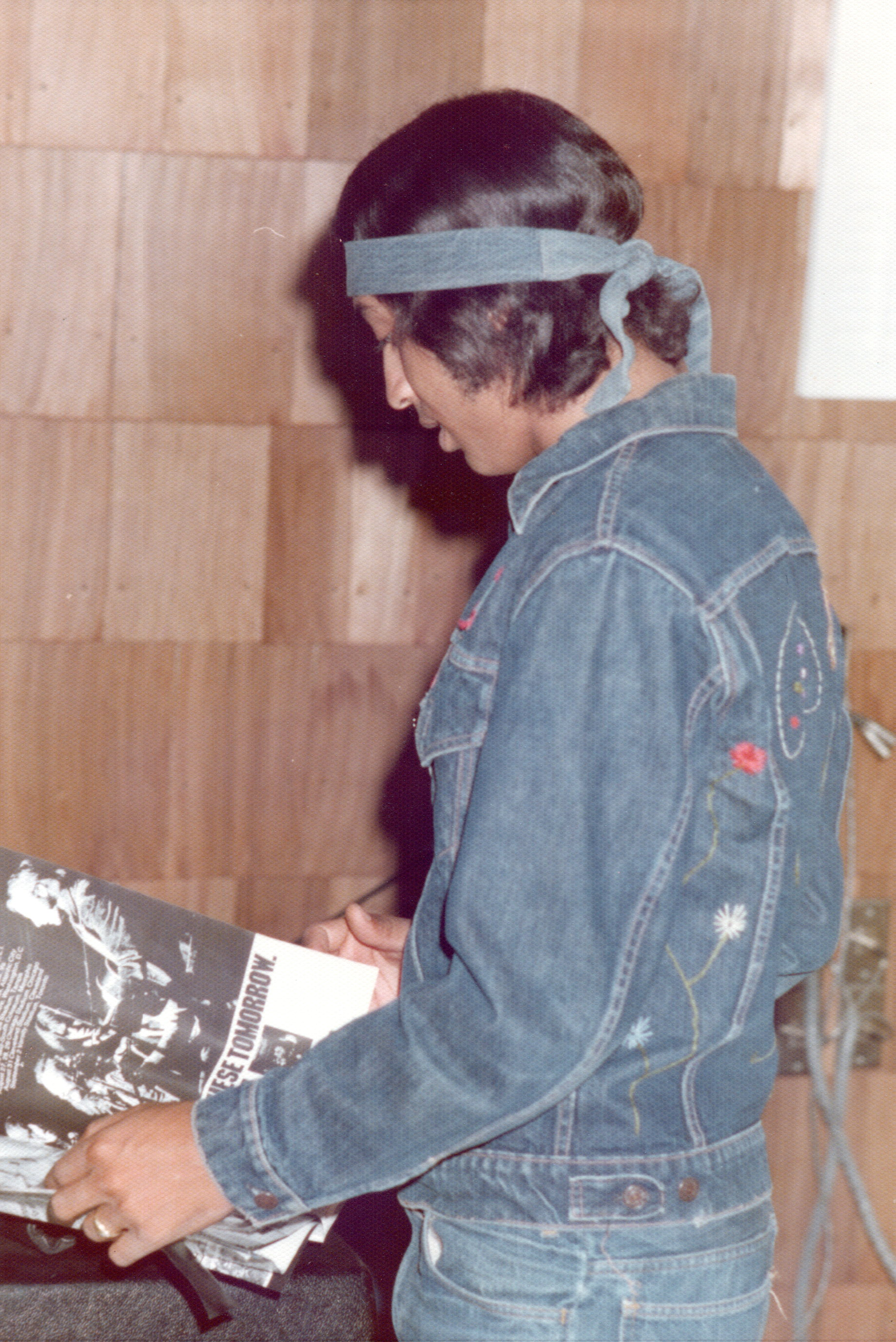
Kip at Royal Studios in 1974
In the summer of 1974, Long Island musician Kip Carmen took a meeting with Steve Cropper, the legendary guitarist from Booker T. and the M.G.’s. Cropper had been quietly checking out Kip’s live shows in Memphis and wanted to sign Kip to his new label, Trans Maximus Inc. (TMI Records).
This meeting was an opportunity Kip couldn’t pass up. Songs like “Knock on Wood” by Eddie Floyd (one of many Stax hits featuring Cropper’s guitar) were a huge influence and part of Kip’s live show back to his earliest days with “Kippy and the Chessmen” in Huntington, New York.
But Kip played his cards close to the vest. He did not disclose until after the meeting that he was already in the final stages of signing a deal with Hi Records, the powerhouse Memphis label behind Al Green's 70s hits.
Getting Noticed in Memphis
Kip had started making waves in Memphis in the Fall of 1973 with Kip Carmen & The New Frontier, on the back of his “Loving in the Morning” single and an extended run of packed houses at a club called The Flying Machine.
After an acrimonious split with his manager sent Kip back home to Long Island, it wasn’t more than a few weeks before Kip’s phone was ringing with offers to come back to headline The Flying Machine with a new group. The man on the other end of the phone was Lewis Willis, a well-connected Memphis producer and booking agent who had taken a liking to Kip.
When Kip’s new group repeated his earlier success at The Flying Machine in the Summer of 1974, Lewis Willis spread the word to some key players in the Memphis scene.
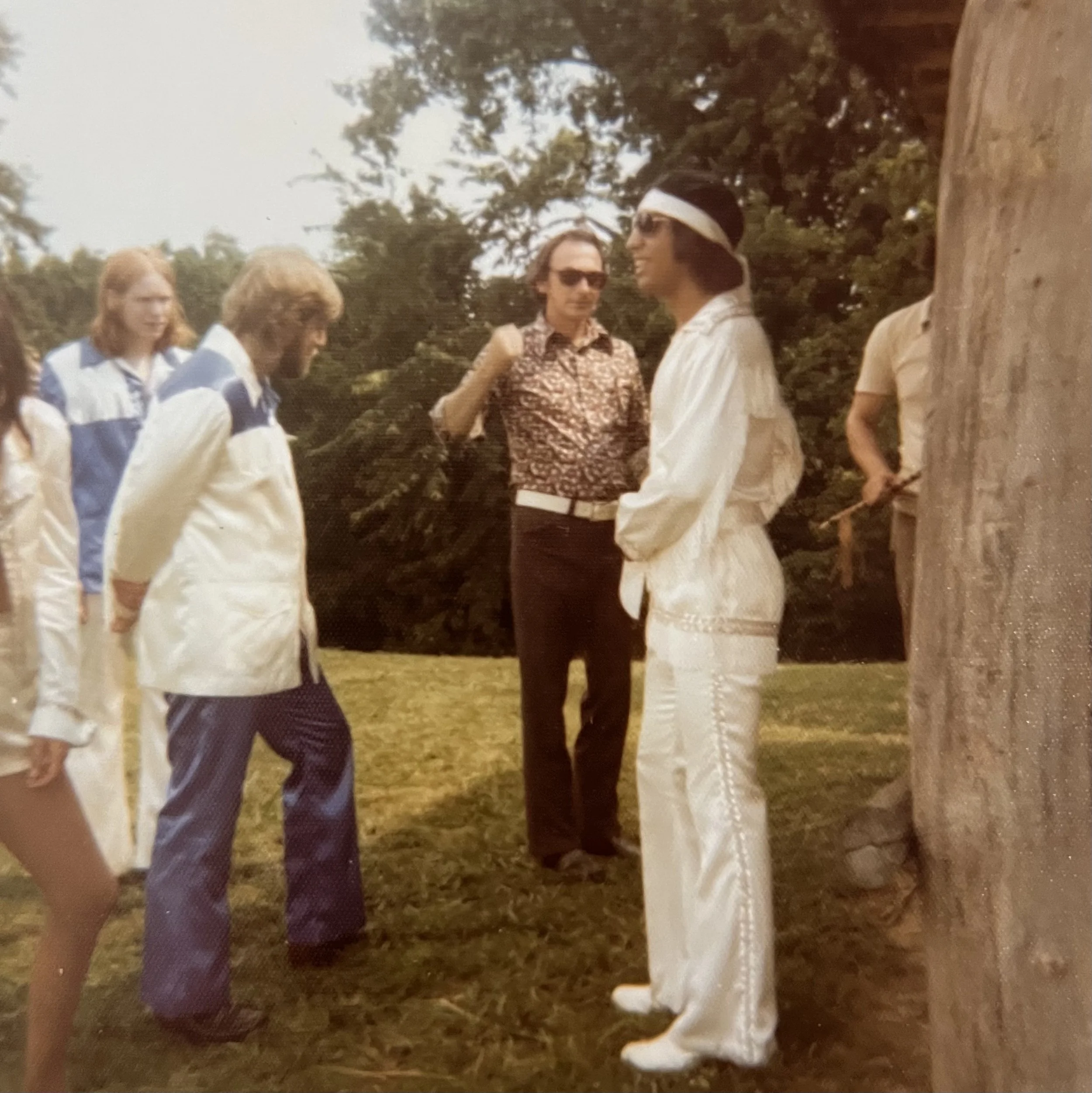
Kip and the band with Lewis Willis during a photoshoot in 1974 at the Chucalissa Indian Village in Memphis
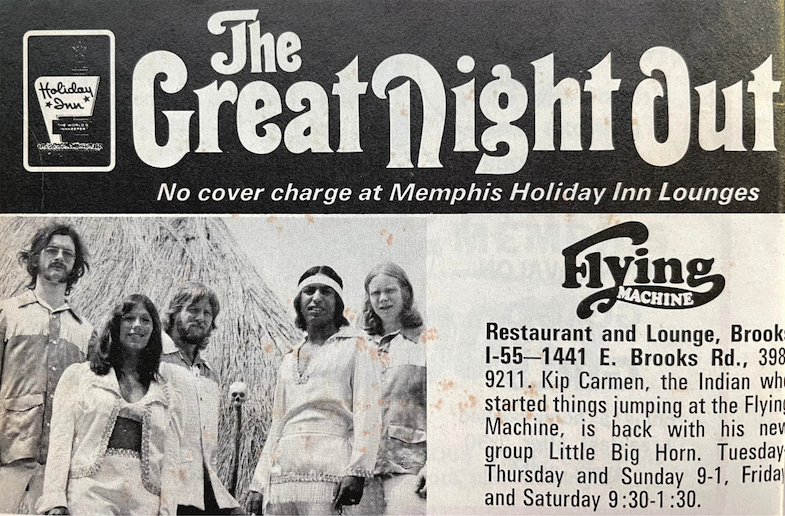
Advertisement for Kip Carmen and Little Big Horn’s shows at the Flying Machine
Meeting and Signing with Hi Records
Lewis Willis was tight with the folks at Hi Records and ran Allied Studios, a recording studio that Hi used frequently to supplement their flagship Royal Studios. When Willis raved about the hot new act at The Flying Machine, the label took notice. Hi Records appreciated Kip’s deep catalog of original songs and the rock and pop sensibility he could bring to their R&B roster.
For Kip, the meetings with Hi Records were a breath of fresh air. They offered Kip the freedom to be himself as an artist. Hi was not looking for a clone of Al Green or Syl Johnson. They were looking for new sounds and liked what Kip brought to the table. As Kip tells it: “They told me everything that I really wanted to hear, and I totally felt that it was no baloney. It was real. It was what I was looking for in the music industry.”
Signing with Hi Records meant working with another Memphis legend: producer, arranger, and trumpeter Willie Mitchell, whom Kip recalls frequently popping his head into the control room when the band was heating up. But it was a man named Bill Cantrell who served as Kip’s main producer, advocate, and creative partner at the label.
Cantrell was a former Sun Records producer and session fiddle player who co-founded Hi Records in 1957. A lesser known character in the label’s history, Cantrell possessed a technical wizardry in the recording technology of the era, installing Royal’s first tape machines and building out the modifications in the early 70s that would help Willie Mitchell realize his vision for a new and improved Hi Records sound.
Recording at Royal Studios
Cantrell’s supportive ear and expertise behind the console was just what the band needed. For his initial recordings at Royal in 1974, Kip brought Little Big Horn bandmates Ben Ninmann, Jimmy Walker, and Mark Ryan. Pete Bartosch, a session musician based in Memphis by way of Corpus Christi, Texas, was later added to play bass.
The band's chemistry is on full display on “Smoke the Pipe.” But this song would also serve up a cold dose of industry reality for the young artist.
One day, when the band was warming up, a rhythmic guitar riff caught Bill’s ear and he encouraged the band to keep the groove going while he tinkered with some equipment. Kip came up with a chantlike 4-bar phrase to sing over the riff:
“Smoke the pipe,
Then pass it on,
Your peace will come,
So pass it on.”
Then inspiration hit, and Kip spit out two entirely improvised verses, drawing on themes from his Native American ancestry to make a point about moving on from the past and finding peace through unity.
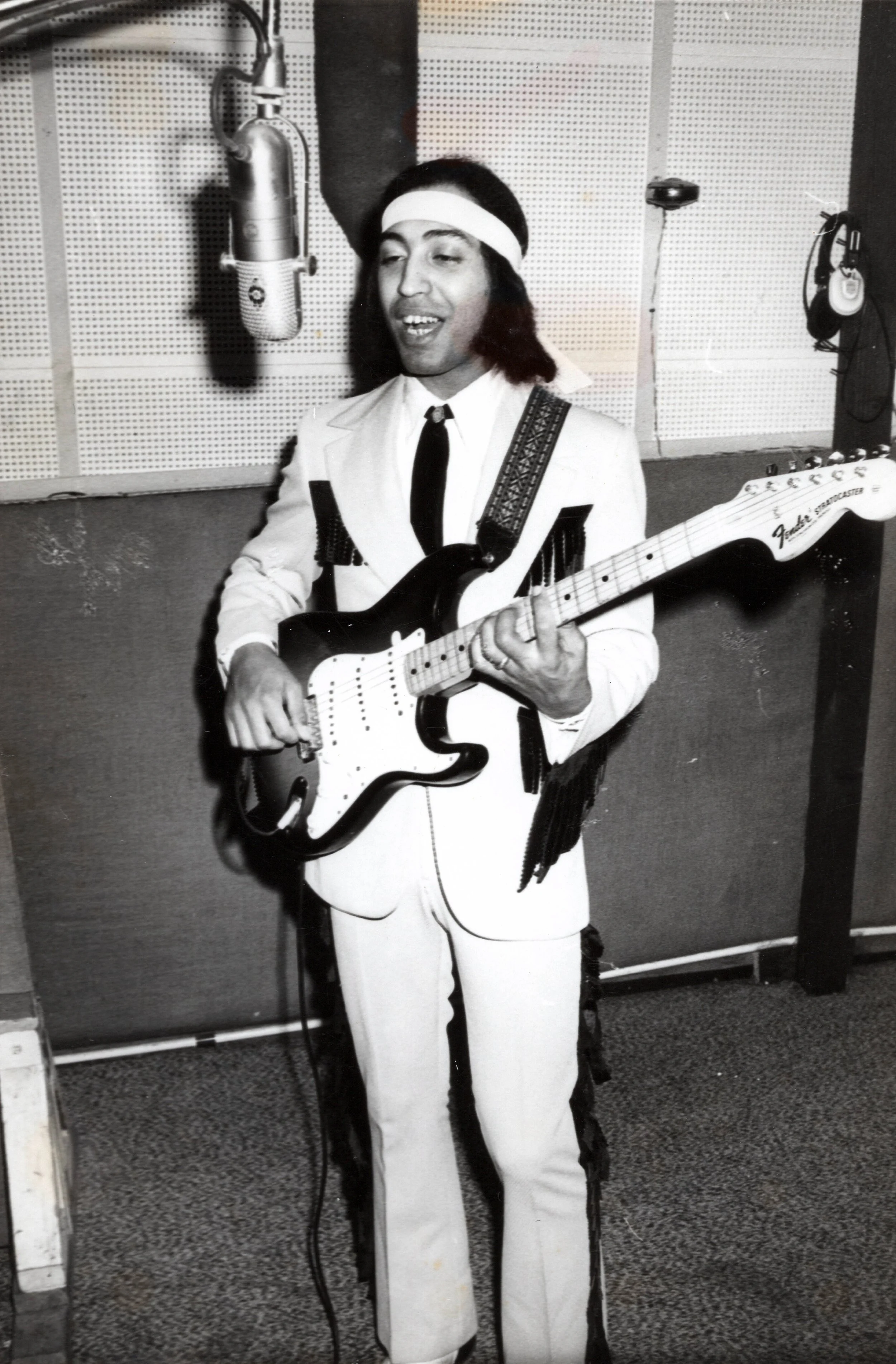
Kip Recording at Royal Studios in 1974
Bill and Willie loved it, and brought out their not-so-secret weapons to take the song to the next level: The Memphis Horns, Memphis Strings, and backup singers Rhodes, Chalmers, and Rhodes. They made a quick mix of the song and cut a few discs on 10-inch lacquer to play for the label’s top brass, proposing “Smoke the Pipe” as Kip’s first single for the label.
Then Kip got a devastating phone call. “I got some good news and I got some bad news…” Bill Cantrell said.
The "Smoke the Pipe" Controversy
The good news was that Kip would indeed have a record coming out. The bad news was that Edward Lewis, the head of Hi’s distributor London Records, took offense at the lyrics and demanded that the label destroy the tape. “Smoke the Pipe will never see the light of day!” Thus spake Sir Edward Roberts Lewis of London.
One section in particular drew his ire:
“Many many moons ago, my people had it made.
Stories of love and peace were part of the Indian way.
They trusted strangers and shared with them their unknown wealth,
Only to be tricked and betrayed, part of the American way.”
The distributor apparently missed the point of the lines that followed about forgiveness and starting over, but this was 1974. The politics around Native American history at the time were … complicated.
Kip recorded a vocal take with an alternative line in an attempt to appease London (this is the version that survived on the tapes and is on this record):
“They trusted people and shared with them their unknown wealth.
Well, time changed a lot of minds, as history tells so well.”
It didn’t work. “Our hands are tied, without a distributor we can’t do it,” Kip recalls Bill telling him. Kip knew the power that distributors wielded over independent labels back then, and never held this against the folks at Hi. But Kip was profoundly disappointed and bore the creative scars from this episode for the rest of his career.
"Macon Woman Blues" and Other Recordings
Side B of this record starts with the two songs that Hi did release: “Macon Woman Blues” (Kip’s wry and raunchy sendup of the “southern rock” that was trendy at the time) and “I Must Be Losin' You” (a Willie Mitchell ballad that was previously recorded by Willie Clayton). The single came out in October 1974 on Mach Records, a subsidiary label that Hi used occasionally to experiment with new artists.
The single got some play on local radio, but unforeseen events would soon intervene. The release date was right around the time of Al Green’s notorious “hot grits” incident, which helped set in motion a chain of events that shook Green’s commitment to secular music, weakened the label’s financial position, and ultimately led to Hi Records being sold in 1977. Turns out it was not an ideal time for the label to put a lot of resources into developing an unknown artist.
“Ode to the Road” was another tune that got serious consideration from Bill and Willie, as demonstrated by the presence of the Memphis Horns and Memphis Strings on the track. It was never released, but surely would have been Kip’s second single for the label had he gotten to that point.
Over the next few years, Kip continued to stop by Royal Studios to record with Bill Cantrell when touring brought him near Memphis. By this time, Kip had a new group called “Kip Carmen’s Uprising,” and he laid down a handful of tracks at Royal in 1977 with Uprising members Michael Rubin (keyboards) and Rik Sherry (drums).
The songs recorded during this period include “I Want to Be a Good Man” and “What a Woman” (two songs Kip wrote with hopes that they could become vehicles for Al Green), “Stampede” (a dry satire of the stereotypes the industry had used to exploit and distort his Native American ancestry), and “I Really Don’t Know What Love Is" (intended as a lesson to Kip's young son Raymond about navigating romantic relationships).
With the sale of Hi Records imminent, Bill Cantrell offered Kip a release from his contract in August 1977, with full ownership of the tapes and master rights from the unfinished sessions. Kip brought the multitracks to Flying Z Studios in Islip, New York and finished tracking and mixing three of the songs for his self-released “Just For Tonight” album.
As you listen to this record, try to imagine an alternate history where circumstances played out a little differently and Hi Records released and promoted Kip Carmen's debut LP. Could “Ode to the Road” have been a radio hit? What might have happened if DJ Premier or Madlib found “Smoke the Pipe” or “I Want to be a Good Man” while flipping through the stacks in the 90s?
We can never know, of course. But much of the history of popular music is written by chance, and many of our most cherished recordings might never have been known if not for serendipitous timing and one or two fateful decisions. Digging deeper into the overlooked corners of the record business can bring us one step closer to understanding the world that gave rise to the music we love and the unheard songs that might still be out there.
-- Ben Takis (@xentakis)
Manager of Carsongs Music, LLC and stepson of Kip Carmen. August 2026.